
Pool Fence Installation in Huntsville, Alabama
A pool barrier is not optional in most Alabama jurisdictions, and it has specific requirements most standard fences do not meet: minimum height, self-closing and self-latching gates, and maximum gap sizes a small child cannot climb through. We install aluminum and mesh pool fencing built to pass inspection the first time.
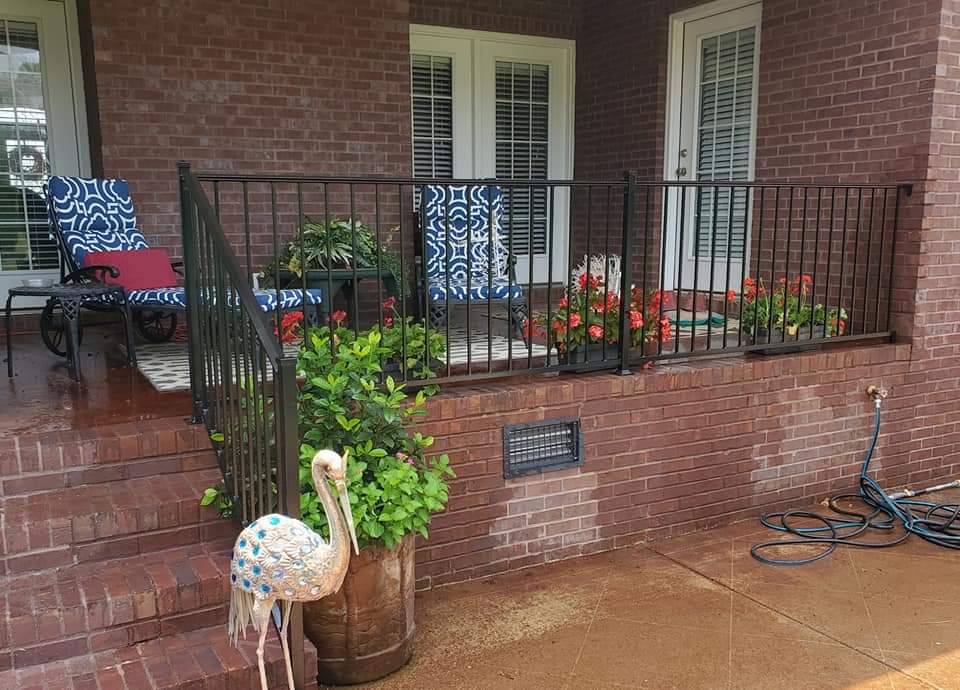
What Alabama Pool Barrier Rules Require
Residential pool barrier requirements typically cover four things: minimum fence height, maximum gap between pickets or mesh openings, self-closing and self-latching gate hardware, and no footholds a child could climb.
Self-Closing Gates
Spring-hinged gates that swing shut on their own, paired with a latch mounted out of a small child’s reach.
Mesh vs. Aluminum
Removable mesh pool fencing works well for seasonal use; aluminum is the permanent, lower-maintenance option most homeowners choose.
Climbability
Horizontal rails and decorative elements that a child could use as a foothold are avoided in a compliant design.
What Every Pool Fence Job Includes
A free on-site estimate and a written, itemized price come first, along with a check of the barrier rule for your address. We submit the 811 request before digging and set posts in concrete.
We test every gate to confirm it closes and latches on its own before the job is finished. Then we haul off debris and walk the enclosure with you.
Pool Fence Installation Process in Huntsville, AL
A pool fence is a safety barrier first and a design choice second. The order of work reflects that.
- Check the rule for your address. Pool barrier requirements come from your city or county and can include height, spacing and gate type. We confirm what applies before we price the job.
- Plan the enclosure. We decide where the barrier runs, whether the house wall is part of it, and where gates go. Gates should sit where you use the pool, not where the fence is easiest to build.
- Utility locate. We submit the 811 request and wait for the marks before we dig.
- Set the posts. Posts go in concrete at the spacing the panels need.
- Install panels and gates. Panels go up to the plan. Gates get self-closing hinges and a self-latching latch.
- Test every gate. We open and release each gate to confirm it swings shut and latches on its own.
Pool Fence Materials: Aluminum, Vinyl, Wood and Chain Link Compared
| Material | Why owners choose it | Keep in mind |
|---|---|---|
| Aluminum | See-through, does not rust, and looks finished around a pool | Needs pool-rated spacing |
| Vinyl | Solid privacy and no painting | Solid panels catch more wind |
| Wood | Privacy and a natural look | Needs regular sealing, and splash keeps it wet |
| Vinyl-coated chain link | The lowest cost per foot | Plain look, and the mesh size has to meet the rule |
Our aluminum fencing page covers the most common pool option in detail.
Pool Fence Code Basics: Height, Gaps and Gates
Requirements vary by city and county. Most pool barrier rules follow the same pattern, so these are the points to ask about:
- Height. Barriers are commonly required to be at least 4 feet tall. The City of Madison states on its website that a 4-foot fence is required around pools.
- Gaps. Openings between pickets, and the gap under the fence, have to be small enough that a child cannot squeeze through.
- Gates. Pool gates are commonly required to close and latch by themselves, and to open away from the pool.
- Climbing. Horizontal rails and nearby furniture can give a child a way over the barrier.
Treat these as questions to ask, not as your local rule. Confirm the current requirement with your city or county building department, or let us check it for you at the estimate.
What Affects Pool Fence Cost in North Alabama
- Perimeter. A larger enclosure means more panels and posts.
- Material. Aluminum, vinyl, wood and chain link price differently.
- Gates. Self-closing, self-latching gates cost more than standard gates, and a pool usually needs more than one.
- Access. Tight side yards and decks slow the work.
- Ground. Slopes, rock and concrete deck edges change how posts are set.
- Inspection. Some areas require an inspection, which can affect scheduling.
Get a planning range from the fence cost calculator. The written estimate gives the exact price.
Caring for a Pool Fence in Alabama Heat and Pool Chemicals
Sun, splash and pool chemicals wear on fences faster than ordinary weather.
- Rinse the fence. Splash water carries chemicals that dry on the surface. A rinse now and then keeps them from building up.
- Check the latch every month. A gate that stops latching is a safety problem, not a cosmetic one.
- Lubricate the hinges. Self-closing hinges need to move freely to work.
- Watch wood. Wood near a pool stays wet and needs sealing sooner than fencing elsewhere in the yard.
Where We Build Pool Fences in North Alabama
Pool Fence Rules and Sources for North Alabama
These are the official pages behind the rules and steps on this page. We check them before we quote a job.
- U.S. Consumer Product Safety Commission, Safety Barrier Guidelines for Residential Pools. The federal guidance behind pool fence height, gaps and latching.
- Alabama 811 fence installation checklist. Why we submit the locate request before any post hole is dug.
- City of Huntsville residential construction FAQ. The city’s statement on fence permits and the Historic District.
- City of Madison building department FAQ. The city’s statement on fence permits.
Last updated September 19, 2026. Fence rules change, so confirm them with the office that covers your address.
Pool Fence Questions We Hear in Huntsville
Does my existing yard fence count as a pool barrier?
Only if it meets the specific height, gap, and gate requirements for pool barriers, which are usually stricter than a standard yard fence. We can assess your existing fence during the estimate.
Can pool fencing be removed for the off-season?
Removable mesh pool fencing is designed for that; permanent aluminum fencing is not meant to be seasonal but requires no removal or storage.
Does a pool fence need to be separate from my yard fence?
Not always. If your perimeter yard fence already meets barrier height, gap, and gate requirements on every side, it can serve as the barrier. Where it usually fails is the gate hardware, since a standard yard gate does not self-close or self-latch. We assess the existing fence and tell you whether it qualifies or whether an interior barrier around the pool itself is the cheaper route.
Will pool fencing block the view of the pool?
Aluminum picket styles are specifically chosen for pool areas because they meet climb-resistance requirements without blocking sightlines the way a solid privacy fence would.
How tall does a pool fence have to be in Alabama?
The rule depends on your city or county. Barriers are commonly required to be at least 4 feet tall, and the City of Madison states that a 4-foot fence is required around pools. Confirm the requirement for your address before you build.
Does a pool gate have to close by itself?
Pool barrier rules commonly require gates that close and latch on their own. We install self-closing hinges and self-latching latches, then test each gate.
Can my house wall be part of the pool barrier?
Sometimes, but doors that open onto the pool often need alarms or other protection under local rules. Ask your building department, and tell us about the layout at the estimate.
Which pool fence needs the least maintenance?
Aluminum and vinyl need the least. Aluminum only needs rinsing and an occasional touch-up. Vinyl needs washing. Wood needs regular sealing.
Related Fencing Pages
Get a Free Pool Fence Estimate
Code-compliant barriers with self-closing, self-latching gates.