
Fence Staining and Sealing in North Alabama
A wood fence left unsealed will gray, crack, and warp years before it should in Alabama humidity. We wash, sand, spot-repair, and stain or seal wood fences across North Alabama on the maintenance cycle that actually matches your material, not a generic yearly reminder.
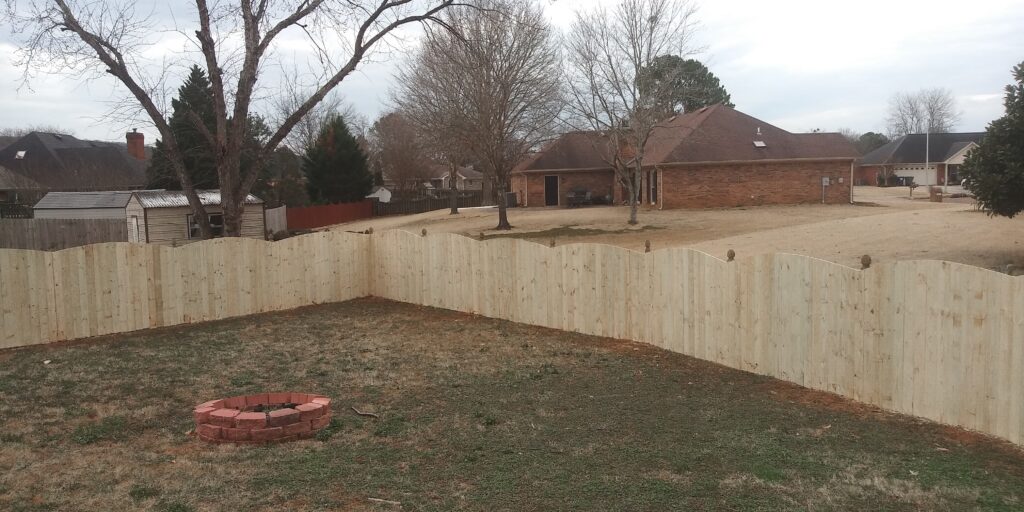
The Staining Process
Wash
Pressure wash to remove dirt, mildew, and old failing stain before anything else happens.
Sand and repair
Rough spots sanded smooth, and any minor board or picket damage repaired before staining.
Stain or seal
Applied once the wood is fully dry, in your choice of color and opacity, from clear sealant to solid stain.
When to Reseal in Alabama Humidity
Pressure-treated pine needs 4 to 8 weeks to dry out after installation before it will hold stain properly; cedar can usually be stained within a few weeks. After that first application, most fences in this climate need resealing every 2 to 3 years, sooner on fences with direct afternoon sun exposure or heavy sprinkler contact. Water beading off the surface is the simplest sign a fence still has protection left; once water starts soaking in instead of beading, it is due.
What Every Fence Staining Job Includes
We assess the wood and give you a written, itemized price. Loose boards get refastened, and the fence is cleaned so the stain can soak in.
Stain goes on in dry weather once the wood has dried. We tell you when the next coat is due and walk the finished fence with you.
Fence Staining and Sealing Process in Huntsville, AL
Stain only lasts as long as the surface underneath is ready for it. Most of the work is preparation.
- Assess the fence. We check the wood, note loose boards and fasteners, and see whether there is old stain or mildew to deal with.
- Repair first. Loose boards get refastened and broken ones replaced before stain goes on.
- Clean the wood. Dirt, mildew and old finish come off so the stain can soak in.
- Let it dry. Wood has to be dry before staining, and drying takes days after washing.
- Apply stain. Stain goes on in dry weather and is worked into the grain, so it protects the wood instead of sitting on top.
- Walk it with you. We check for missed spots and tell you when the next coat is due.
Fence Stain Types: Clear Sealer, Semi-Transparent and Solid
| Type | Look | Protection |
|---|---|---|
| Clear sealer | Shows the natural wood | Least UV protection, so it needs the most frequent reapplication |
| Semi-transparent stain | Adds color and shows the grain | A good balance for most fences |
| Solid stain | Opaque color that hides the grain | The most UV protection and the longest interval between coats |
Any of the three protects the wood from moisture better than bare wood does. Which one is right depends on the look you want and how often you want to redo it.
When to Stain a New Wood Fence
New wood needs time before stain. Pressure-treated pine holds moisture from the treatment and needs several weeks to dry, usually 4 to 8. Cedar can often be stained within a few weeks.
A simple test tells you when the wood is ready. Sprinkle water on a board. If the water soaks in within a few minutes, the wood will take stain. If it beads on the surface, wait. We tell you the right window for your fence.
Best Weather for Staining a Fence in North Alabama
- Dry stretch. Stain needs a couple of dry days before and after, so rain does not wash it off.
- Moderate temperatures. Most stains list a temperature range on the can, and spring and fall usually fit it best.
- Shade or overcast. Hot direct sun dries stain before it soaks in and leaves lap marks.
- Low humidity. Alabama humidity slows drying, so pick a day with some breeze.
What Affects Fence Staining Cost in North Alabama
- Length and height. More fence means more surface.
- Both sides. Staining both faces of a fence doubles the surface.
- Preparation. Heavy mildew or old peeling finish adds cleaning and sanding.
- Stain type. Solid stain costs more per gallon and covers differently from clear sealer.
- Condition. Repairs before staining add labor.
Staining is much cheaper than replacing a fence. Read our wood fencing page for how wood ages in Alabama humidity.
Where We Stain and Seal Fences in North Alabama
Fence Staining Rules and Sources for North Alabama
These are the official pages behind the rules and steps on this page. We check them before we quote a job.
- Alabama 811 fence installation checklist. Why we submit the locate request before any post hole is dug.
- City of Huntsville residential construction FAQ. The city’s statement on fence permits and the Historic District.
- City of Madison building department FAQ. The city’s statement on fence permits.
Last updated September 19, 2026. Fence rules change, so confirm them with the office that covers your address.
Fence Staining Questions We Hear
How soon can a new fence be stained?
Pressure-treated pine needs 4 to 8 weeks to dry out first. Cedar can typically be stained within a few weeks of installation.
How often does a fence need to be resealed?
Every 2 to 3 years is typical in North Alabama’s humidity, sooner for fences with heavy sun or sprinkler exposure.
Can you match the original stain color on an older fence?
Usually, yes, though sun-faded wood may take stain slightly differently than when it was new. We can show you a test patch before committing to the full fence.
How often should I stain my fence?
Every 2 to 3 years is typical in North Alabama’s humidity. Clear sealers need it sooner and solid stains can go longer. Water that soaks in instead of beading is a sign the finish has worn.
Can I stain a fence that already has stain on it?
Yes, if the old stain is worn and the wood is clean. Peeling or heavy solid stain has to be removed first, or the new coat will not bond.
Do I have to stain a new cedar fence?
No, but unfinished cedar turns gray and can crack and cup in humidity. Staining or sealing in the first year keeps the color and slows weathering.
Should I pressure wash before staining?
Cleaning is a must, but pressure washing needs care. High pressure can raise the wood grain and damage boards. A fence wash and a soft brush, or low pressure, works better.
Related Fencing Pages
Get a Free Staining Estimate
Wash, repair, and stain or seal, on the right schedule for your fence.